
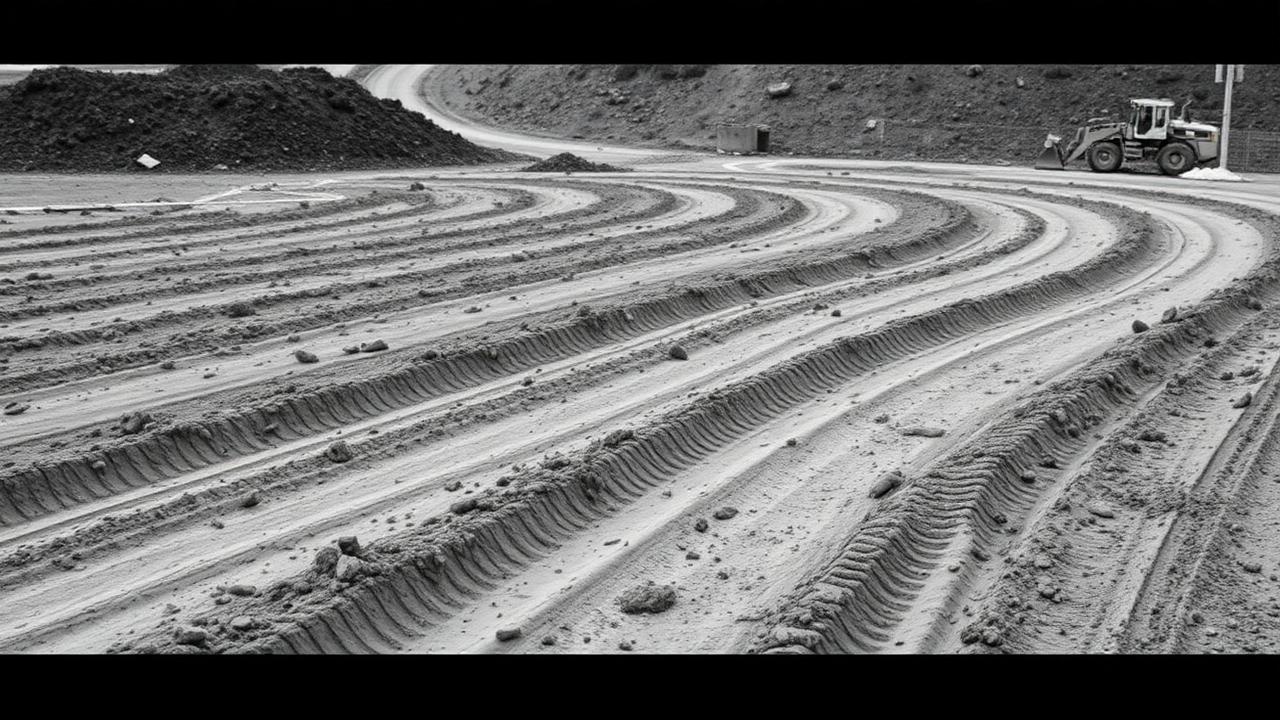
One owner may mean cutting back vegetation so a boundary can be seen. Another may expect roots removed, material hauled away, access opened, and the ground ready for the next trade. Those are different scopes.
Before a Kauaʻi land-clearing site walk, define what the area should be ready for when the work is complete. That answer improves the first conversation and reduces avoidable revisions later.
Start with the next use
The completed state begins with one question:
What needs to happen in this area after clearing?
Common answers include:
- restore practical access
- make routine vegetation upkeep manageable
- expose the ground for survey or planning work
- prepare an area for future construction review
- open space around an existing structure
- create room for material staging or another defined use
The answer does not establish a final scope by itself. It gives the site walk a clear direction.
Decide what happens to vegetation and roots
Cutting vegetation, mulching it, removing root mass, and preparing exposed ground are not interchangeable.
Before the site walk, identify which statement is closest to the goal:
- vegetation can remain as mulch in an approved area
- larger material needs to be separated or staged
- roots need review because the next use requires more than surface cutting
- material needs to leave the immediate work area
- selected trees or vegetation must remain protected
Do not assume every piece of material has the same destination. A clear plan names what may stay, what may be processed, what must be staged, and what needs a separate handling decision.
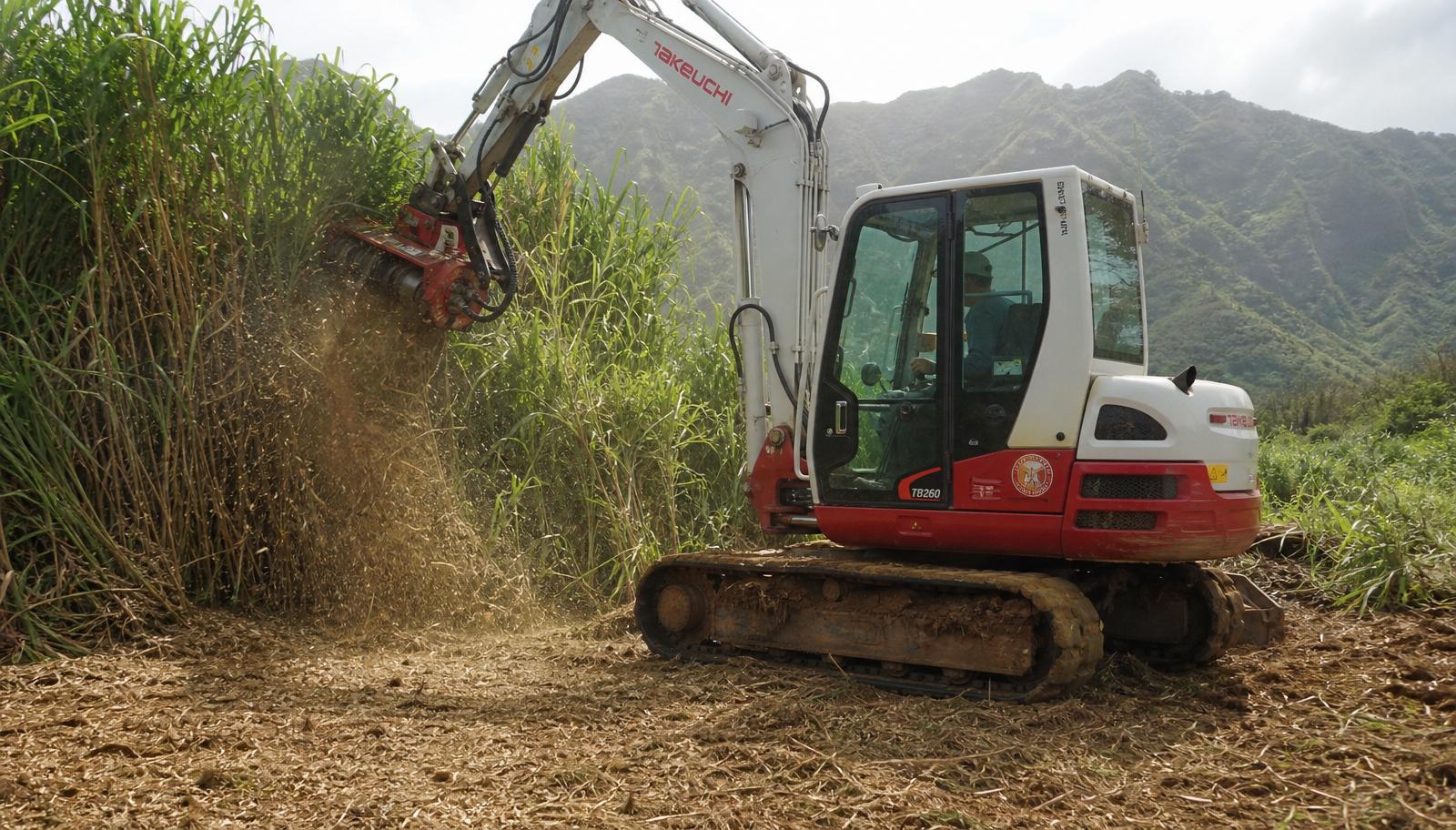
Define access as part of the result
Access is not only how equipment reaches the work area. It may also be part of what the owner wants the work to improve.
Document:
- the route from the public road to the work area
- the narrowest visible turn or opening
- slopes, soft areas, low branches, and drainage crossings
- where equipment or material could be staged
- which routes must remain usable during the work
- the width and condition expected at completion
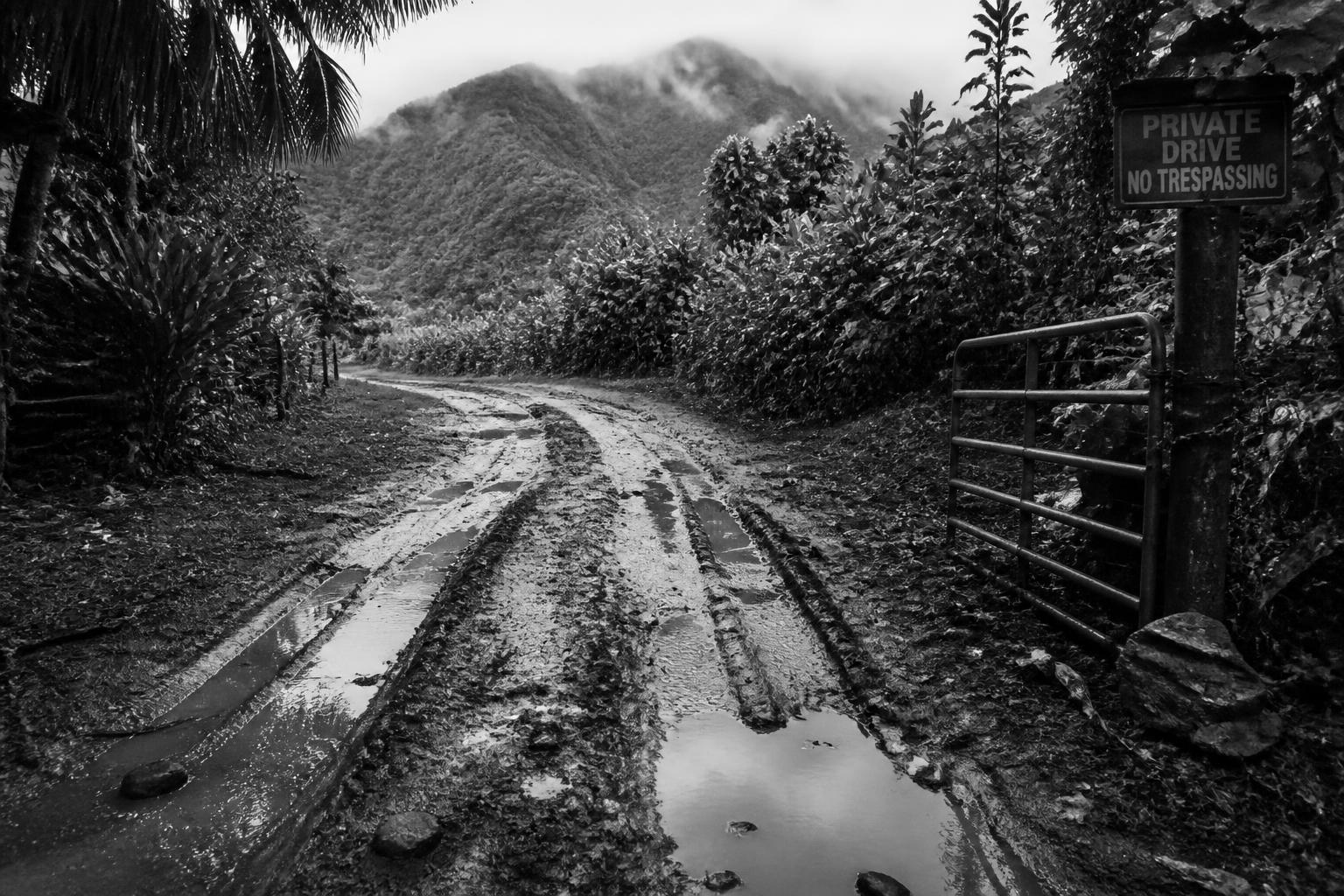
Keep gate codes and private access details out of public forms or comments. Those details can be handled privately during follow-up.
Photograph what should remain
Scope clarity depends on exclusions as much as removals.
Mark or photograph:
- vegetation that should remain
- visible boundaries or survey markers
- structures, fences, utilities, and drainage features
- neighboring areas that are outside the work boundary
- routes that cannot be blocked
- areas where material cannot be placed
Photos help establish the conversation. They do not settle boundaries or replace a site review.
Use a completed-state checklist
Before requesting an estimate, write one sentence for each item:
- 1.The area is being cleared so it can be used for ______.
- 2.Vegetation should be cut, mulched, staged, or removed as follows: ______.
- 3.Root mass should be reviewed for ______.
- 4.Access must remain usable for ______.
- 5.Material may be staged or reused only in ______.
- 6.These features must remain protected: ______.
- 7.The work should stop at this visible boundary: ______.
If an answer is unknown, mark it for the site walk instead of guessing.
Request a land-clearing estimate
Send the property location, wide work-area photos, the full access route, and the completed-state checklist. Keep private access details for direct follow-up.
Common questions
Is cutting brush the same as full land clearing
No. Vegetation cutting, mulching, root review, material handling, access work, and ground preparation are separate scope decisions.
Do photos establish the final scope
No. Photos provide context. They do not confirm every site condition, boundary, or completed-state requirement.
What is the most useful first decision
Define what the area needs to be ready for after clearing. That decision helps organize access, vegetation, roots, material handling, and protection questions.
Should gate codes be included with the public request
No. Keep gate codes and other private access details out of public forms and comments. They can be shared privately when needed.