
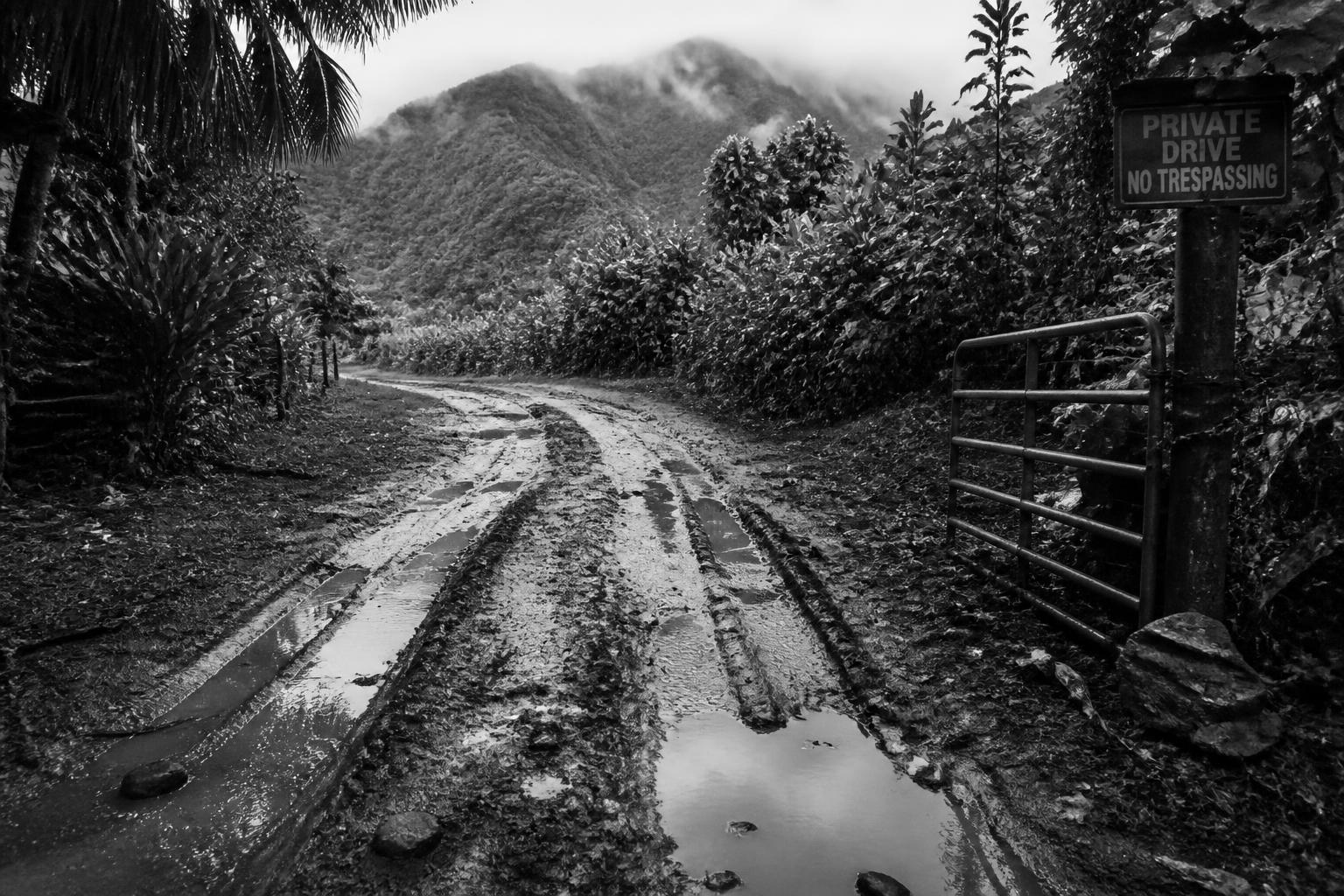
A better first conversation starts with the material plan, not only the area to be opened.
1. What material is visible
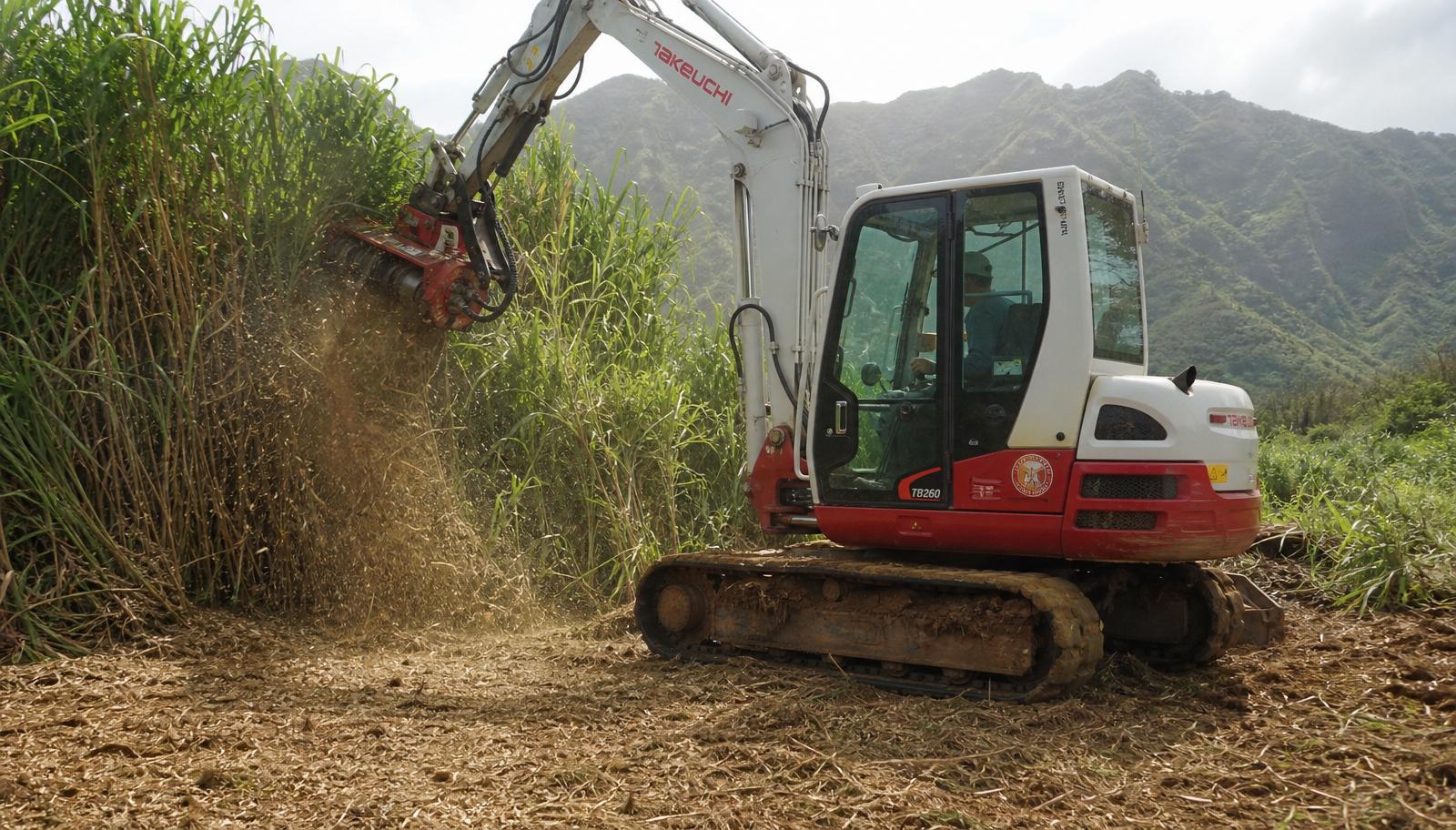
Describe the representative vegetation and anything already on the ground. Separate grass and vines from woody brush, larger stems, old piles, loose debris, and visible rocks.
Photos can improve the first review, but they do not reveal every buried object, root condition, or material volume.
2. What should stay on the property
Identify whether the owner wants suitable material reviewed for on-site processing, organized into an accepted area, loaded for removal, or handled by another agreed method.
This is a scope question, not a result that should be assumed from a photo or a general request to clear the area.
3. Is there working room
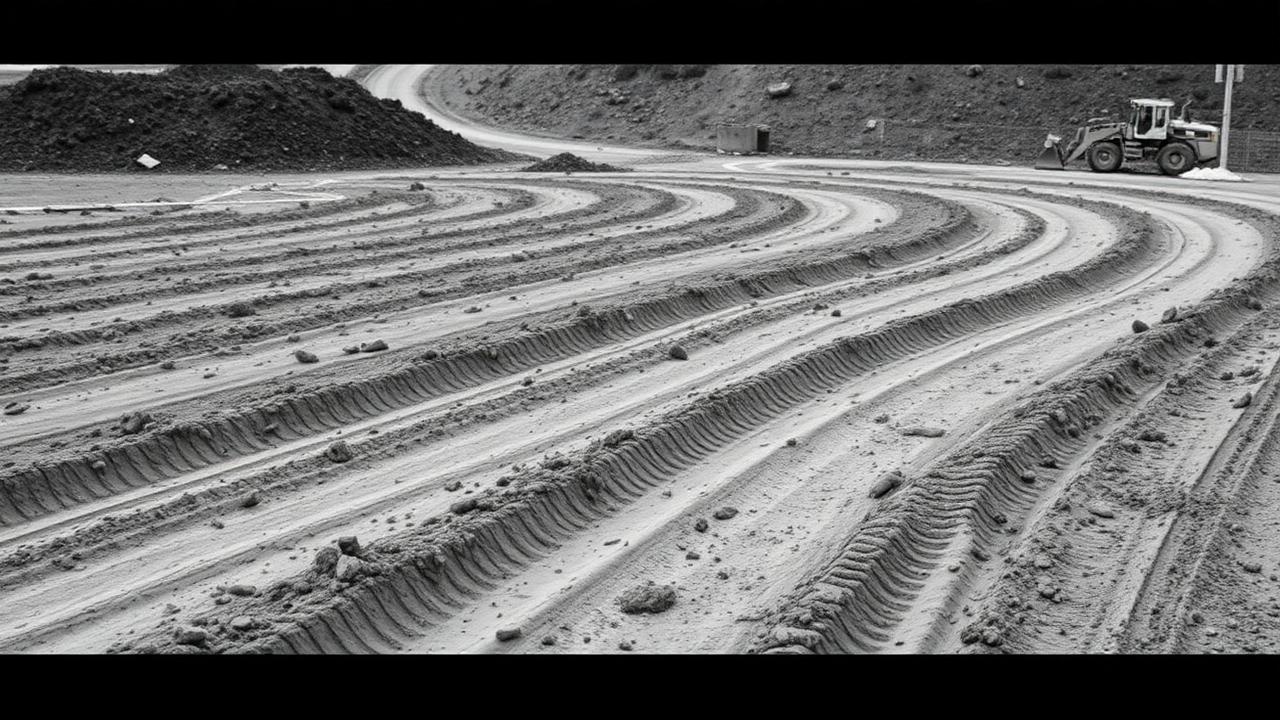
Show any area proposed for separation, processing, temporary handling, or loading. Include nearby structures, fences, utilities, slopes, soft ground, visible water paths, and other features.
An open-looking area is not automatically suitable or approved for a particular use.
4. Can the material route be reviewed separately
The route used to reach the vegetation may not be the same route needed to move or load material. Document the public-road transition, tight turns, narrow openings, gates, overhead vegetation, and visible surface conditions.
A photo can expose access questions, but it cannot confirm machine or truck suitability.
5. What should the area support afterward
Describe the intended finished condition in practical terms. Examples include manageable vegetation upkeep, practical access, better survey or planning visibility, or preparation for a later site review.
The next use helps organize questions about loose material, roots, stumps, surface condition, visible water paths, and the accepted work boundary.
Prepare a better material brief
Send representative photos of the vegetation, existing ground material, possible handling space, access route, and intended finished condition through a private estimate request.
These details improve intake. They do not establish boundaries, reveal hidden conditions, select equipment, approve a handling method, or determine final scope or price.
Common questions
Does clearing automatically include removal
No. The accepted scope must state how material will be handled. A general request to clear an area does not define processing, loading, removal, or final surface condition.
Can every open area be used for material handling
No. Access, boundaries, ground conditions, slopes, nearby features, visible water paths, working room, and the accepted plan all matter.
Can photos determine material volume
No. Photos help expose questions, but they do not establish complete volume, hidden conditions, production, equipment, final scope, or price.
Why discuss the finished condition before work
Because the intended next use changes the questions asked about vegetation, roots, stumps, loose material, access, visible water paths, and the work boundary.