
Use three categories: keep, review for removal, and protect.
1. Mark what should stay
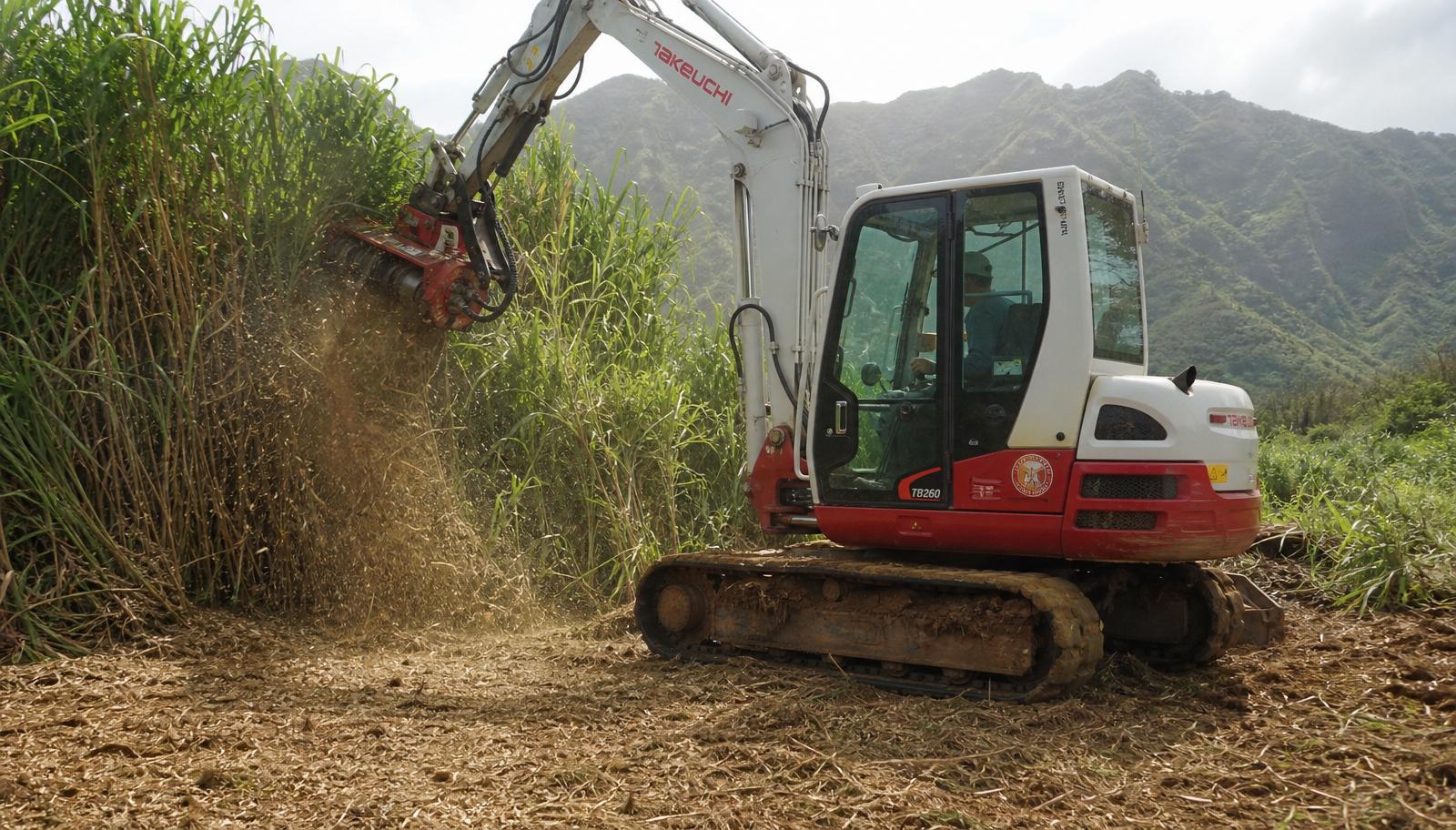
Start with trees, planted areas, screening vegetation, and other visible features the owner wants to retain. Use one consistent marker style and photograph each marked area from more than one direction.
A keep marker communicates intent. It does not confirm ownership, boundaries, root protection, tree condition, or whether work can occur safely nearby.
2. Mark what needs removal review
Use a second marker for vegetation the owner wants reviewed for possible removal. Include representative photos of dense growth, vines, woody brush, old piles, and areas where the ground cannot be seen clearly.
Final scope still depends on the field review, access, working room, visible conditions, and the accepted plan.
3. Mark what must be protected
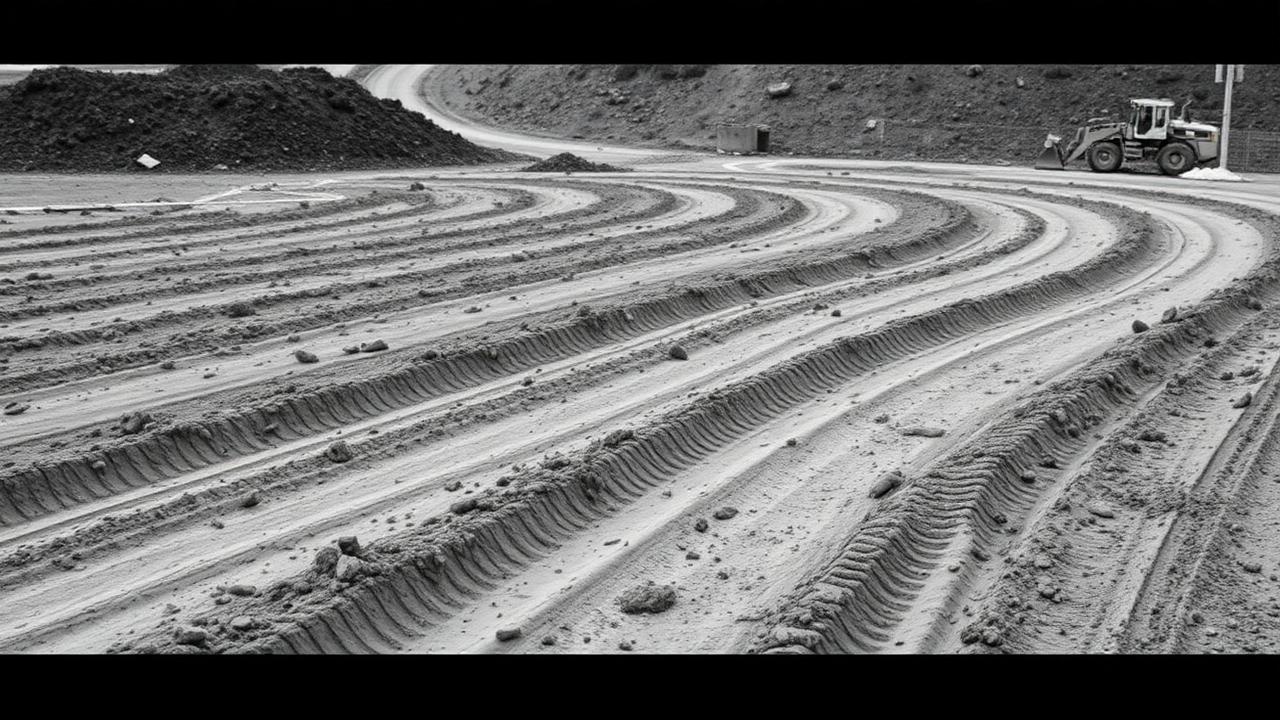
Identify structures, fences, gates, utilities, irrigation, drainage features, water paths, garden areas, and other visible items that need special attention. Photograph the approach as well as the feature itself.
Markings do not replace utility locating, survey information, owner authorization, or a field review of hidden conditions.
Add access and finished-condition notes
Show the public-road transition, gates, tight turns, slopes, soft areas, overhead growth, and any space proposed for keep, review, and protect marking.
Then describe what the area should support afterward, such as easier upkeep, practical access, or a later site review.
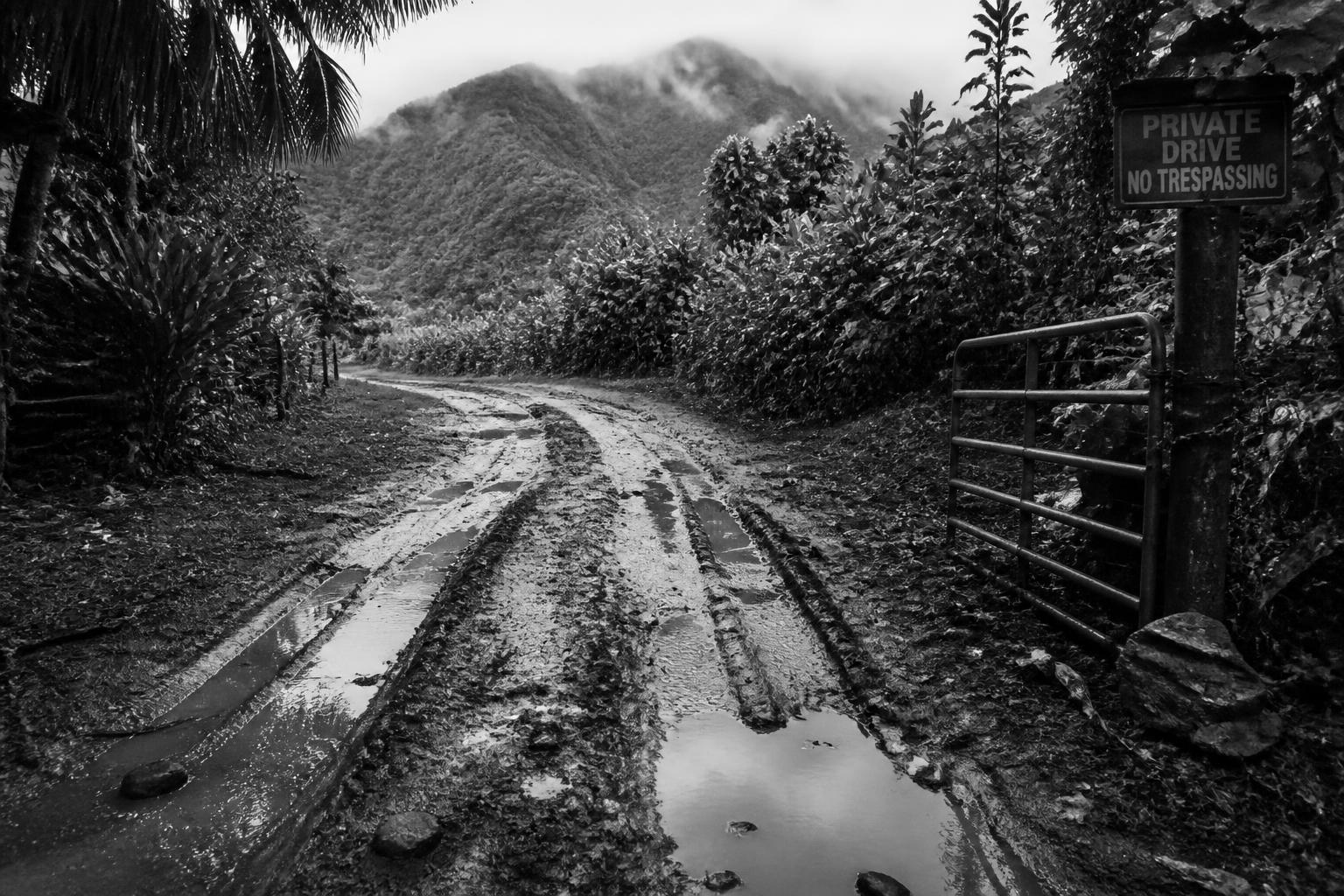
Prepare a better marking brief
Send representative photos of the keep, review, and protect markings, the access route, and the intended finished condition through a private estimate request.
These details improve intake. They do not establish boundaries, reveal hidden conditions, approve a method, or determine final scope.
Common questions
Do markings set the final scope
No. Markings organize the first conversation. Final scope depends on the field review, access, visible conditions, owner authorization, and the accepted plan.
Does a keep marker protect a tree
No. A keep marker records intent. It does not confirm ownership, boundaries, root protection, tree condition, or whether work can occur safely nearby.
Do protect markings replace utility locating
No. Utility locating, survey information, and a field review of hidden conditions remain separate steps.
Why include access photos with the markings
Because the route, gates, turns, slopes, and soft ground affect how a marked area can be reached and reviewed.