
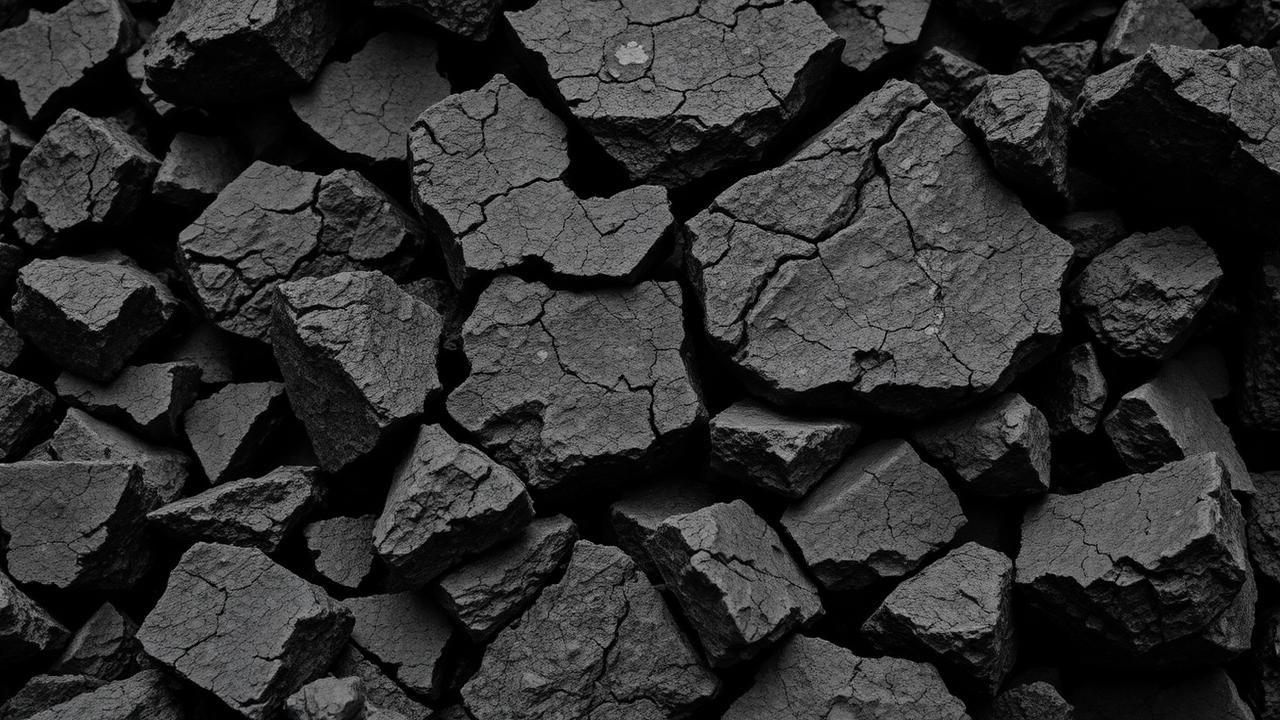
Two kinds of lava rock, and they matter
Pāhoehoe is the smooth, ropey lava you see in older flows. It's hard, but it breaks predictably under a hydraulic breaker and cuts cleanly with a rock saw. ʻAʻā is the chunky, sharp lava that comes from faster-cooling flows. It's already fractured, which means easier breaking but harder hauling, and it shreds tires and tracks.
Most Kauaʻi residential lots that hit rock are hitting pāhoehoe within a few feet of grade, especially on the South Shore. West Side parcels can hit either, plus harder secondary basalt at depth.
Why rock changes a bid so much
Soft soil moves at 50-100 cubic yards per day with one excavator. Rock under a hydraulic breaker might move 5-20 cubic yards per day, with hourly equipment cost roughly doubled for the breaker attachment. That's a 5-10x productivity drop and ~2x rate, so cost per cubic yard for rock removal commonly runs 8-20x the cost of soft excavation.
On top of removal cost: haul-off. Lava rock weighs about 3,000 lb per cubic yard. A 10-cubic-yard dump truck carries roughly one full payload of broken rock per trip, and each trip is metered diesel.
What drives rock removal scope on Kauaʻi
Volume and hardness: pāhoehoe at residential scale typically yields under a hydraulic breaker, but production rates drop sharply versus soft soil, and haul-off compounds the cost when the rock has to leave site.
Disposal route: stockpiling rock on-site for landscape reuse is cheaper than trucking to a County facility. We design rock-in wherever possible.
Boulder relocation: rock you want to keep for landscaping is priced per boulder based on size, weight, and access, every job is different.
Pre-bid probe survey: a few hours with an excavator and a probe rod on your build footprint turns a guess into a real budget. We do these before locking in scope on suspect lots.
How to keep a rock job from doubling your project cost
Probe before you build the budget. A few hours with an excavator and a probe rod on the build footprint tells you what's actually down there.
Plan rock reuse into the landscape. Reclaimed pāhoehoe makes excellent dry-stack walls, planter borders, and landscape features. Designing rock-in instead of paying to haul-out can save thousands.
Get a separate line item for rock contingency. A good Kauaʻi bid carries rock allowance as its own number, not buried in the excavation total.
Got a Kauaʻi project to dig?
Call for a written, project-specific estimate.